NASA HUNCH · Innovation Center of SVVSD
ASTRA
A fault-tolerant server farm for space, built by high school students.
Three independent clusters. Seven AI models running locally. Zero internet required.
Download presentation →The Problem
Why Astronauts Need ASTRA
Data Centers in Space
The ISS runs on about 100 modified laptops and mission-specific avionics. There is no general-purpose computing infrastructure in orbit. ASTRA shows what a permanent, fault-tolerant one could look like.
Round-Trip to Mars
On a Mars mission, a single message to Earth and back takes up to 48 minutes. Local medical AI gives astronauts immediate answers without waiting for a doctor on the ground.
Shared Across Deep Space
NASA's Deep Space Network is near capacity. Processing data onboard and sending only the results, not the raw feed, cuts required bandwidth dramatically.
Redundant, Because Hardware Fails
Radiation, thermal cycling, and launch vibration guarantee components break. ASTRA runs three independent clusters in parallel. Kill any two and the third still has every byte of data.
The Solution
What is ASTRA?
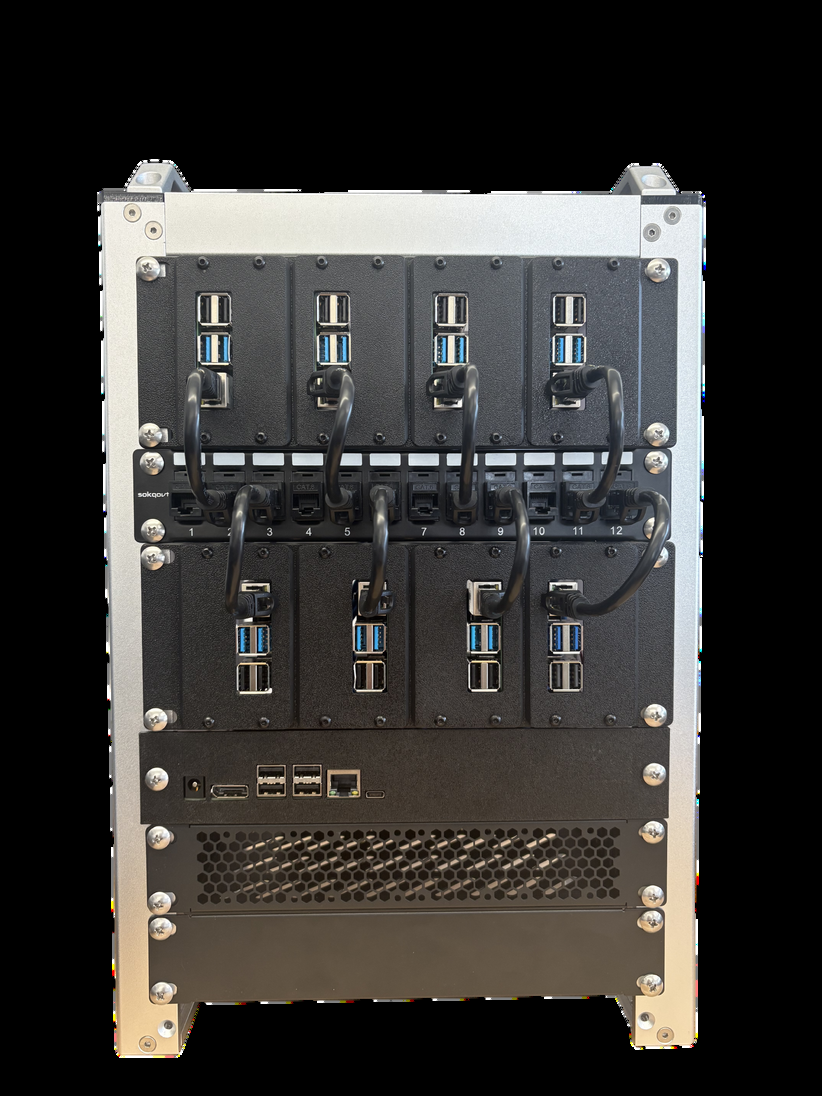
ASTRA is a compact, fault-tolerant server farm built by two high school students under the NASA HUNCH program. Nine computing devices are organized into three independent Kubernetes clusters with three dedicated AI inference servers, connected through a self-contained local network that requires zero internet. It is designed for deployment aboard future space stations and deep-space missions.
The primary application is an AI medical assistant. Meditron (EPFL/Yale) provides clinical text Q&A trained on medical literature. MedGemma (Google) analyzes medical images. Five additional general-purpose models handle reasoning, coding, and multimodal tasks. Astronauts interact through a familiar chat interface with immediate local responses.
The system is built around one principle: no single point of failure. Three power domains, three clusters, three databases, three AI servers. Kill any two and the third has all the data. Restore power and it rebuilds itself in under two minutes without anyone touching a terminal.
What Sets It Apart
Proven in Live Demonstrations
Four capabilities, each tested and verified end-to-end, not just on paper.
Survives Cascade Failure
Kill Cluster 1. Cluster 2 promotes and takes over in 5 seconds. Kill Cluster 2. Cluster 3 promotes with every byte of data from both. Verified across 8 distinct failure scenarios in every kill order.
Self-Heals After Total Power Loss
Unplug all three power strips. Plug them back in. Keepalived elects a primary, pg-autoheal rebuilds the standbys, and full triple redundancy is restored in under 2 minutes with zero human intervention.
Medical AI With Zero Internet
Meditron handles clinical text Q&A. MedGemma analyzes medical images. Both run entirely on local hardware. If an astronaut is mid-consultation when a node fails, the conversation continues on the surviving cluster.
Astronaut-Simple Hot Swap
Dashboard shows which board failed. Unplug the one cable. Swap the board. Plug it back in. The system rebuilds itself in about 60 seconds. No command line, no SSH, no configuration.
See It Work
Live Failover Demonstration
A cluster node is physically disconnected mid-conversation. The system keeps running.
ASTRA live failover: node unplugged, zero data loss, conversation continues.
Capabilities
Full Capability Breakdown
Physical design features, operational functions, and technical innovations.
Click a category to explore
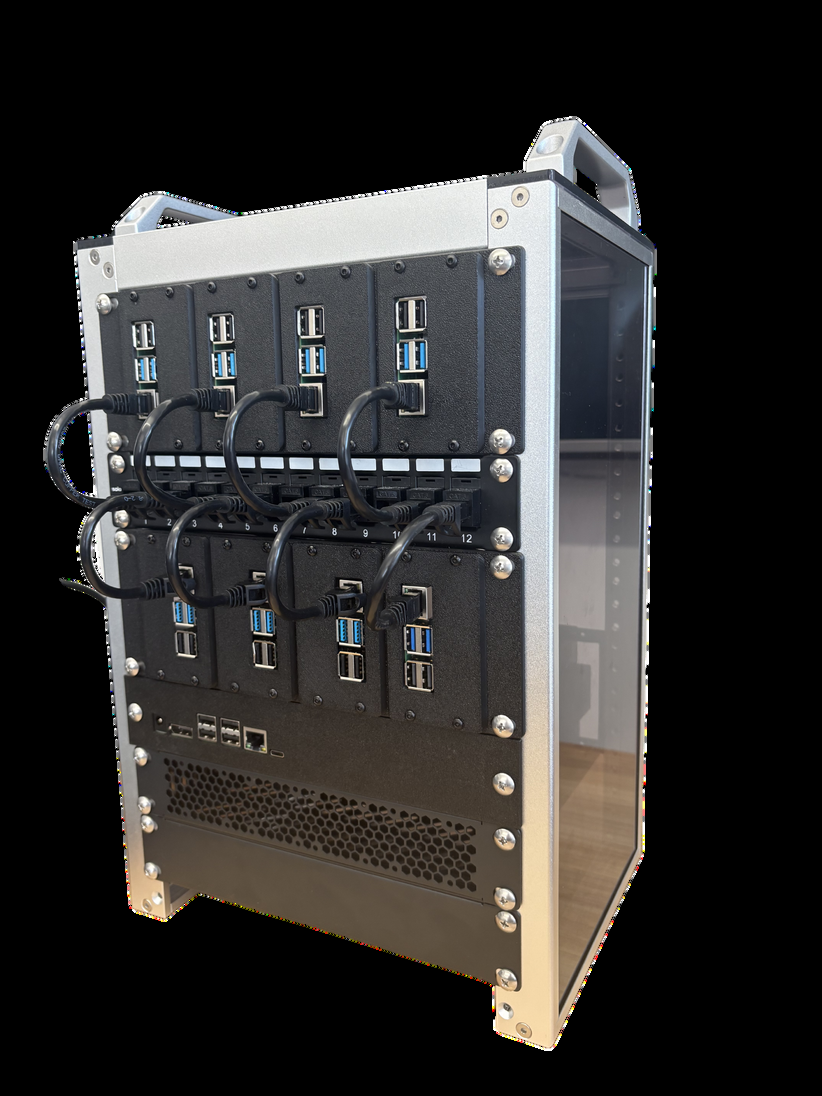
Nine computing devices, three PoE switches, and a network router all mount inside a DeskPi RackMate T1. The enclosure provides physical containment, structured airflow, and vibration-resistant mounting in a form factor that fits within a standard storage locker on Gateway.
Each K3s node receives both 48V power and gigabit networking through a single Ethernet cable via a PoE HAT. Disconnecting one cable cleanly removes a node. No separate power management needed.
Three PoE switches on three separate power strips. Each domain powers one cluster and one AI server. Unplugging one strip takes out exactly one domain. The other two continue with zero impact.
PoE HAT fans cool each Pi 4. The Jetson has a PWM fan that adjusts to GPU load. All 9 devices report temperature, voltage, and throttle status to the dashboard with color-coded thresholds. The acoustic profile is comparable to a desktop at idle.
Keepalived manages a VIP that always points to the active primary. When a node fails, VRRP detects it in 1–2 seconds. The highest-priority surviving node takes the VIP, promotes its PostgreSQL, and restarts the application. Users see at most a brief page reload.
The network router creates a self-contained LAN and WiFi access point. All AI models, container images, and embedding caches are pre-loaded. The system operates identically whether or not the internet is connected. WPA3 encryption, user authentication, no open ports.
Every device gets a card showing temperature, memory, disk, and service health. Cards are clickable for full detail. The Failover Readiness panel shows READY / HEALING / NO REDUNDANCY / NOT READY at a glance. Accessible via the VIP so it follows the active primary.
PostgreSQL 16 runs on each node1. One is the writable primary; two are streaming standbys. All user data (accounts, conversations, settings, AI configuration) is replicated in real time. Every cluster has a complete copy of everything.
A single large Kubernetes cluster has a single control plane, which is a single point of failure. Three independent clusters on separate power domains guarantee that losing one domain only affects one cluster. No shared state between clusters means no correlated failure.
PoE delivers power and data on one cable. Unplug it, swap the board, plug the new one in. pg-autoheal detects the node isn't the primary, pulls a full database copy from the current primary via the VIP, and rebuilds itself as a standby. Full redundancy restored in about 60 seconds.
Standbys replicate from the Virtual IP, not from a fixed node. When a new primary gets the VIP, remaining standbys automatically reconnect to it. No configuration change needed. This is what makes surviving sequential failures possible without human intervention.
Meditron (EPFL/Yale, 7B) provides medical text Q&A trained on clinical guidelines and PubMed. MedGemma 1.5 (Google, 4B) provides medical imaging analysis. Both run locally via Ollama on dedicated hardware. Medical conversation history replicates across all clusters.
The Jetson isn't just plugged in. JetPack 6.2.1 was manually applied with CUDA acceleration. Memory management tuned for the 8 GB unified architecture. The result: 5–10x faster inference than the Pi 5 CPUs at under 20W.
AI Layer
Models Running On-Device
Seven models across three dedicated servers. Users choose the server and model explicitly; there is no random routing.
Hardware
What's Inside the Rack
Nine computing devices, three PoE switches, one network router.
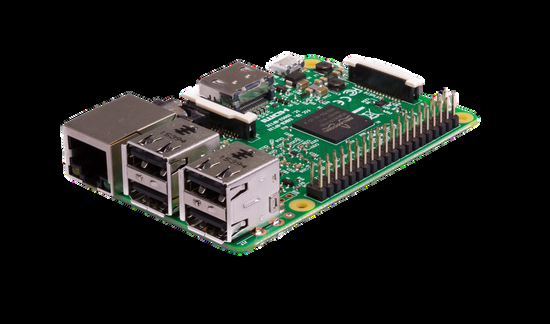
6× Raspberry Pi 4 · K3s Nodes
Cortex-A72, 4 GB+ RAM. PoE+ powered. Two per cluster across three independent K3s clusters. Ubuntu Server ARM64.
2× Raspberry Pi 5 (16 GB) · AI Servers
Cortex-A76 @ 2.4 GHz. Dedicated Ollama inference. CPU-only at 3–8 tok/s, but 16 GB RAM supports models up to 8 GB.
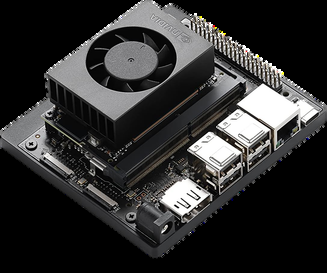
NVIDIA Jetson Orin Nano · GPU AI Server
1024 CUDA cores, 32 Tensor Cores, 8 GB unified memory. JetPack 6.2.1. 25–40 tok/s. 128 GB eMMC.
3× PoE+ Switches + GL.iNet Network Router
One switch per power domain. Router creates the self-contained LAN and WiFi AP. No internet uplink required.
Team
Who Built This
Built under NASA HUNCH at the Innovation Center of St. Vrain Valley Schools.
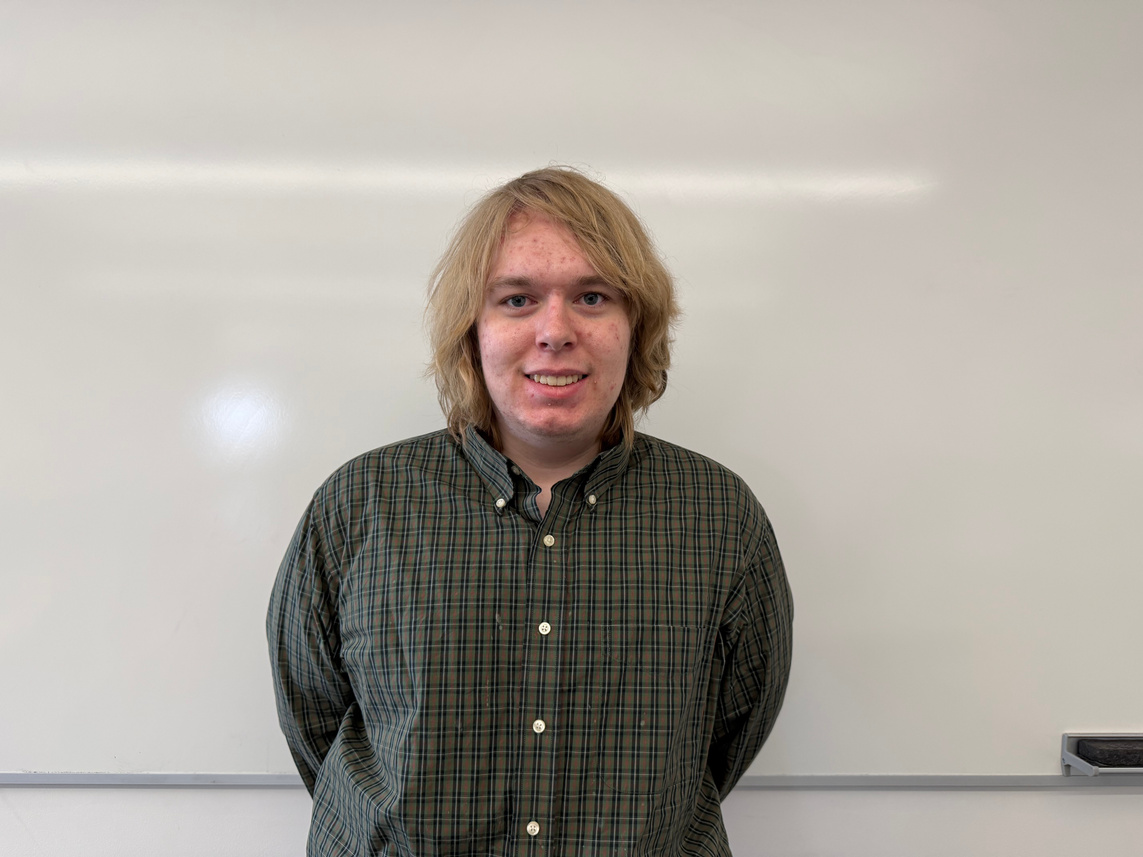
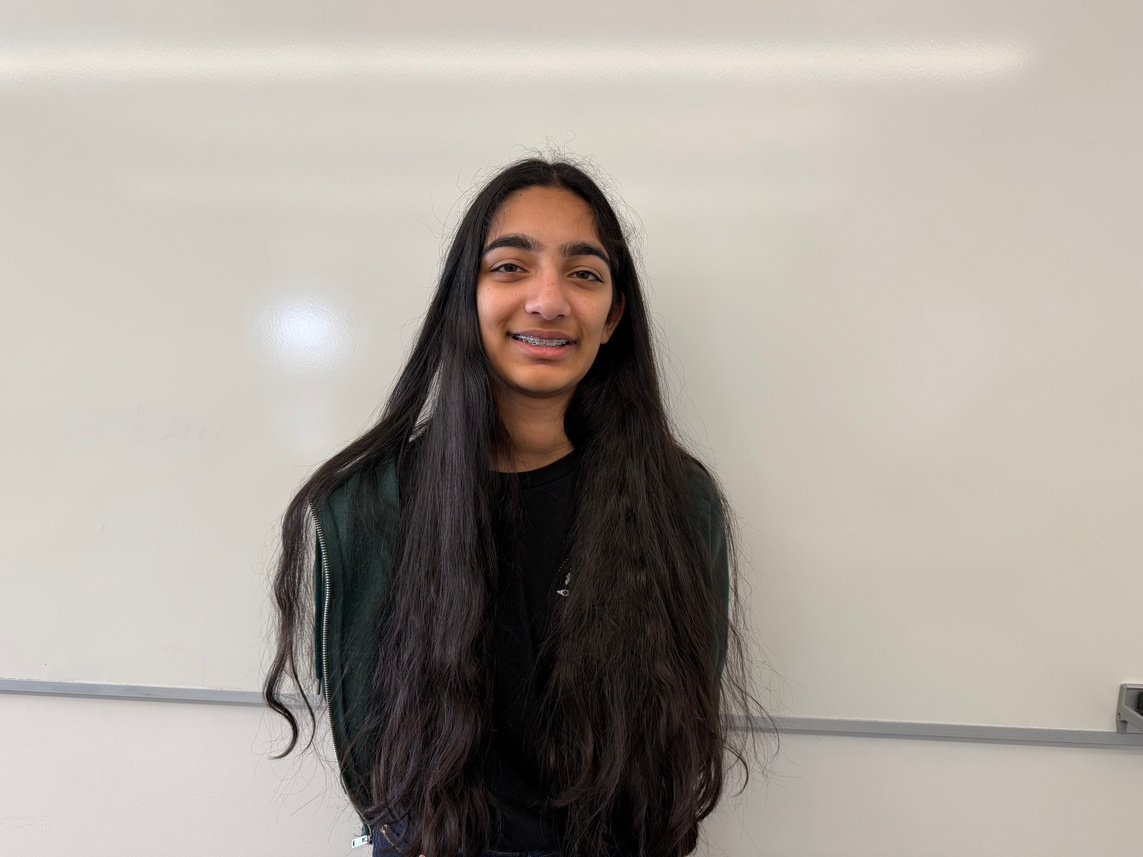
Built at the Innovation Center of St. Vrain Valley Schools under the mentorship of Mai Vu.